
- A commercial luau is a performance, not a private family gathering. Any operator claiming otherwise is overselling.
- Meaningful signals: live musicians, named traditions danced in their own regalia, and performers from those cultures.
- Naming things correctly matters. The fireknife is Samoan, not Hawaiian — an operator that blurs that is blurring more than one thing.
- Traditional food prepared traditionally is a real signal; a generic buffet is not.
- Access to the performers — a meet-and-greet — is a small but genuine one.
- Authenticity is a spectrum of care, not a badge you either have or do not.
Quick Answer
For a commercial luau, authenticity is a question of care rather than a yes-or-no claim. A paid evening show is a performance, not a family gathering, and no operator can honestly claim otherwise. The meaningful signals are specific: live musicians rather than a recorded track, each tradition named and danced in its own regalia, performers who belong to the cultures being presented, and traditional dishes prepared traditionally.
First, what a commercial luau is not
Historically, a lūʻau is a feast — a family or community gathering marking an occasion, named for the taro leaf served at it. A ticketed evening show at a resort is not that, and it does visitors no favours to pretend it is.
What a good commercial luau can be is something narrower and still worth doing: a well-made presentation of living traditions, performed by people who hold them. That is a real thing. It is just not the same thing.
Be sceptical of the word itself. “Authentic” is the single most-used adjective in Hawaii tourism marketing, which makes it close to meaningless on its own. Ask what specifically is being claimed.
Signals that actually mean something
Live musicians
A live band is the clearest practical signal, because it is expensive and a recorded track is not. It also means the music can respond to the room and the dancers rather than running on rails.
Traditions named correctly
This is the one most visitors can check for themselves. The fireknife is Samoan — siva afi, from the Samoan nifo oti weapon dance. It is not Hawaiian. Nor is Tahitian ʻori, or Māori poi. An operator that presents all of it as “Hawaiian” is telling you how much care goes into the rest.
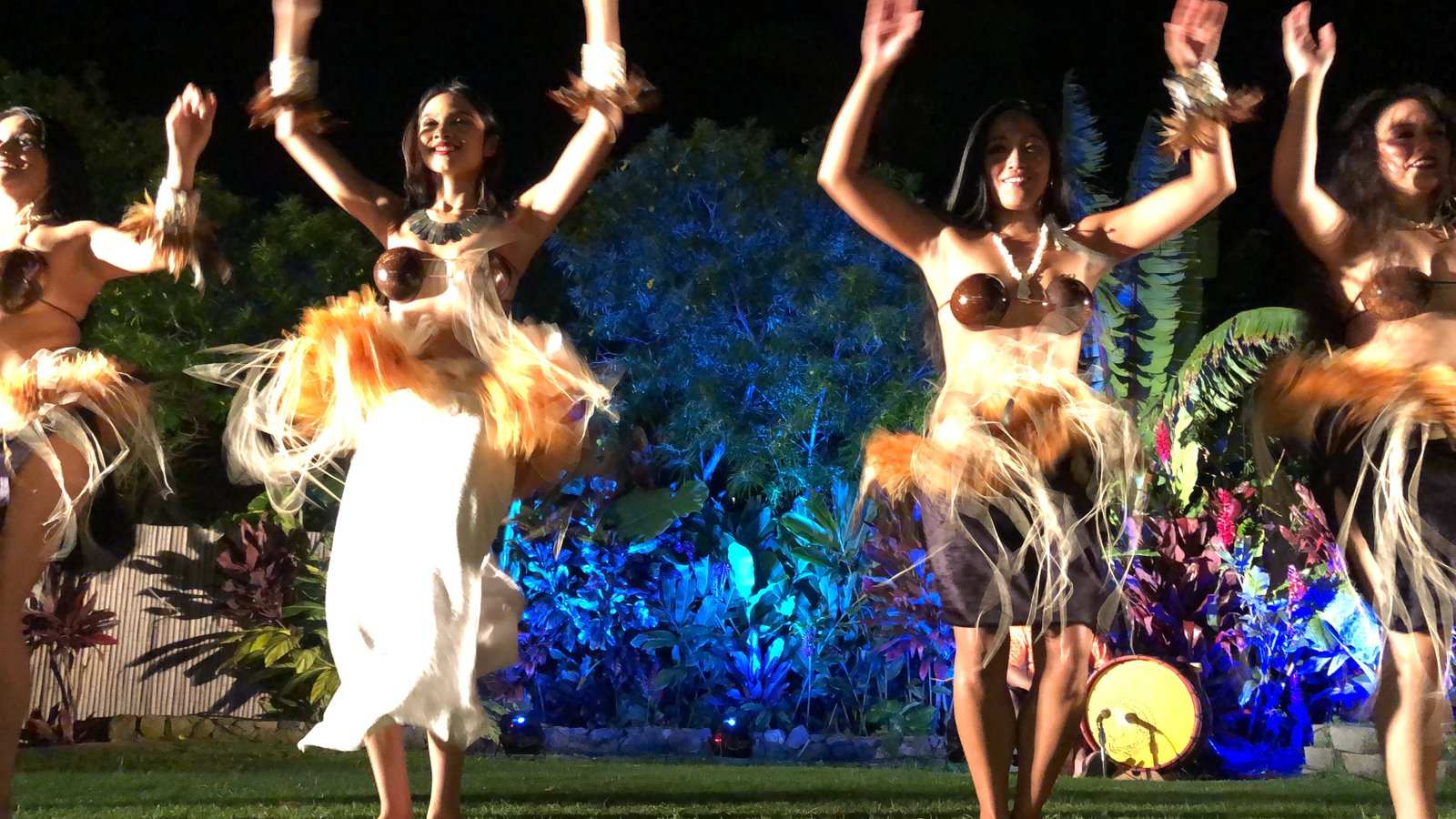
At Huakaʻi Lūʻau each segment is named and attributed:
- Hawaiian Hula ʻAuana — storytelling through flowing, modern-style hula
- Tahitian ʻOri — the fast, percussive hip dance of the Society Islands
- Samoan Slap Dance — the faʻataupati male percussive tradition
- Fijian Meke — warrior songs and dances of Fiji
- Māori Poi — spinning poi in interlocking patterns, from Aotearoa
- Fireknife Grand Finale — the Samoan siva afi, danced with a blade alight at both ends
Who is on stage
Performers who belong to the cultures they present, and who train in them, are a different proposition from dancers hired to approximate a look. This is harder to verify from a website — which is why the meet-and-greet matters.
Access to the performers
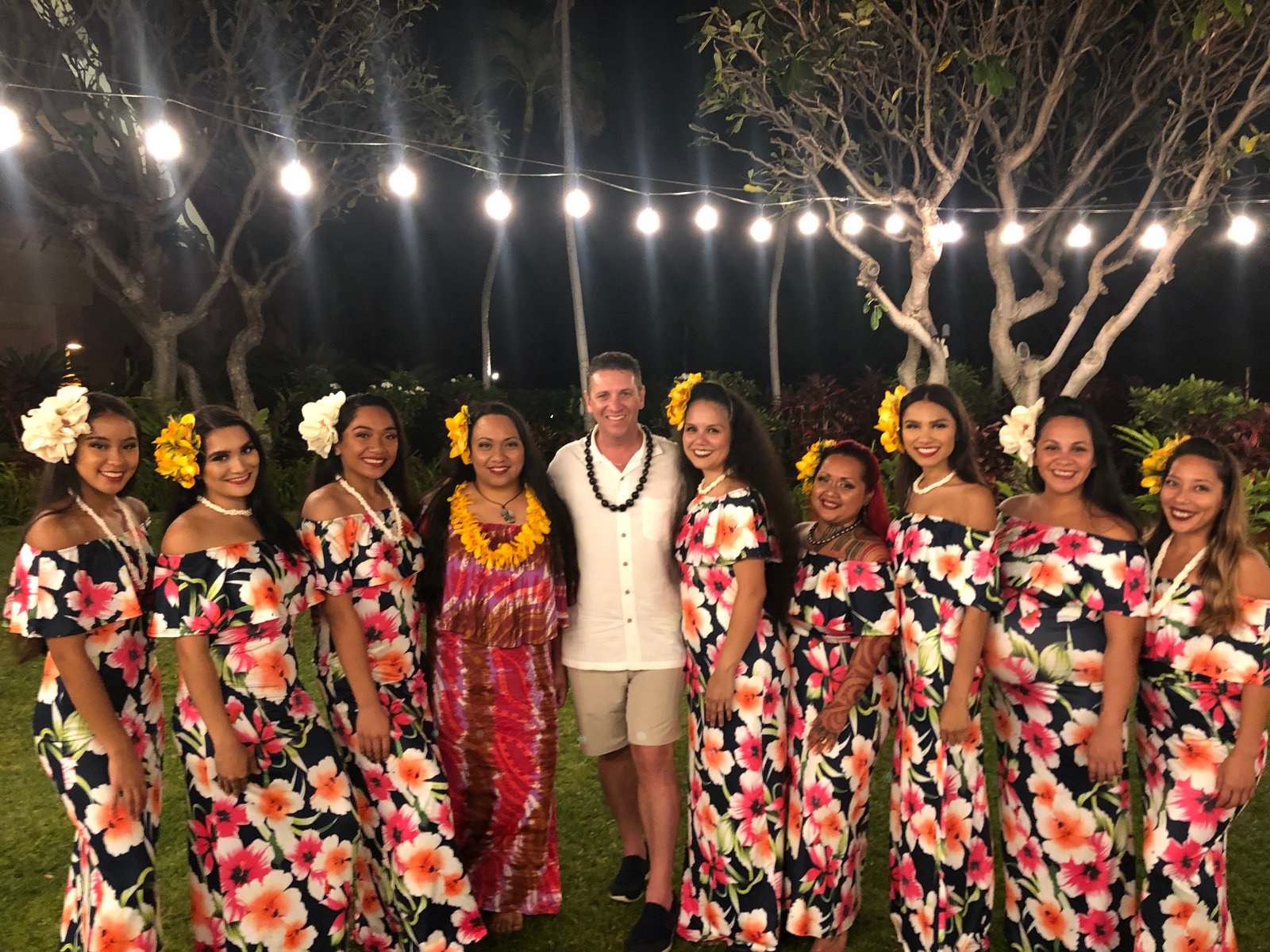
A show that puts its cast in front of the audience afterwards is making a claim it has to stand behind. At Huakaʻi Lūʻau the cast stays out from 7:30 to 7:45 PM. Ask a dancer what the mele was about — the answer tells you more than any marketing page.
Food prepared traditionally
Kālua pork means pork cooked in an imu, an underground oven lined with hot stones. Lomi salmon is worked by hand. Haupia is coconut set firm. These are specific preparations with specific names, and their presence on a menu — as covered in our guide to luau food — is more informative than the phrase “traditional Hawaiian buffet.”
A checklist you can apply to any operator
| Ask | A meaningful answer | A hollow one |
|---|---|---|
| Is the music live? | Yes, a live band | “Traditional music” |
| Which cultures are presented? | Named individually, with origins | “Polynesian” |
| Where is the fireknife from? | Samoa | “Hawaii” |
| Can we meet the cast? | Yes, after the show | No |
| What is on the menu? | Named dishes with preparations | “Authentic Hawaiian buffet” |
| Who performs? | Named traditions, trained performers | Unanswered |
Our position, plainly
Huakaʻi Lūʻau is a commercial show and we are not going to describe it as anything else. What we will say is specific: a live band, five named Pacific traditions danced in their own regalia, a Samoan finale attributed to Samoa, traditional dishes on the buffet, and a cast you can talk to afterwards.
Judge it on those. Our breakdown of the six segments and our guide to hula set out what we are actually presenting, and the comparison page puts us alongside the other Kāʻanapali shows.
Frequently asked questions
What makes a Maui luau authentic?
For a commercial luau, authenticity is best judged as care rather than as a yes-or-no claim. The meaningful signals are live musicians rather than a recorded track, each tradition named and attributed to its own culture and danced in its own regalia, performers who belong to those cultures, traditional dishes prepared traditionally, and access to the cast after the show.
Are commercial luaus culturally accurate?
They vary widely. A ticketed resort show is a performance rather than a family gathering, and no operator can honestly present it as the latter. Within that format, accuracy differs a great deal — the clearest test a visitor can apply is whether traditions are correctly attributed, since the fireknife is Samoan, Tahitian ʻori is from the Society Islands and poi is Māori, none of which are Hawaiian.
Is the fireknife dance part of Hawaiian tradition?
No. The fireknife, or siva afi, is Samoan and derives from the nifo oti weapon dance; setting the blade alight is a twentieth-century development. It is widely performed as a finale at luaus across Hawaiʻi, and an operator that describes it as Hawaiian is misattributing it.
What does the word lūʻau actually mean?
A lūʻau is a Hawaiian feast, named for the taro leaf traditionally served at it. Historically it refers to a family or community gathering marking an occasion, rather than to a ticketed performance — which is why a commercial luau is better understood as a presentation of living traditions than as the gathering itself.
What happens if it rains during the luau?
The luau moves indoors to the ballroom at Kāʻanapali Beach Club. The show, buffet and open bar all continue as scheduled.
What day of the week is Huakaʻi Lūʻau?
Huakaʻi Lūʻau performs weekly on Tuesdays at the Luau Lawn at Hilton Grand Vacations Kāʻanapali Beach Club. Because it is a weekly rather than nightly show, a one-week stay on Maui usually overlaps with only one or two performance dates, so it is worth checking the calendar against your travel dates as early as possible.
Ask Us Anything Before You Book
Huakaʻi Lūʻau · The Luau Lawn at Hilton Grand Vacations Kāʻanapali Beach Club
104 Kāʻanapali Shores Place · Lāhainā, HI 96761
Performing weekly on Tuesdays
Pricing, showtimes and menu items are current as of August 2026 and are subject to change; taxes are additional at checkout and menu offerings may vary with seasonal availability and operational requirements. Price ranges quoted for other Maui luaus are general market guidance rather than quotes — confirm current pricing directly with each operator. Seating within each ticket tier is first-come, first-served.