
- Reef-safe sunscreen is law. Hawaii restricts oxybenzone and octinoxate — bring mineral (zinc oxide).
- Sea turtles and monk seals are protected. Keep well back; never touch or crowd them.
- Book the big three early: Waiʻānapanapa, ʻĪao Valley and Haleakalā sunrise all need advance reservations for out-of-state visitors.
- Rent a car unless you are staying inside one resort area for the whole trip.
- West to South Maui is 45–60 minutes. Plan days by region.
- Pronunciation matters, and locals notice the effort more than the accuracy.
Quick Answer
The Maui advice that actually changes a trip: bring mineral, reef-safe sunscreen (Hawaii restricts oxybenzone and octinoxate), keep well clear of sea turtles and monk seals — both protected — and book Waiʻānapanapa, ʻĪao Valley and Haleakalā sunrise well in advance, since all three require reservations for out-of-state visitors. Rent a car, plan days by region rather than criss-crossing the island, and expect 45–60 minutes between West and South Maui.
Two things that are actually law
Sunscreen. Hawaii restricts the sale of sunscreens containing oxybenzone and octinoxate because of reef damage. Bring a mineral (zinc oxide) sunscreen, or buy one here.
Wildlife. Green sea turtles (honu) and Hawaiian monk seals are protected under state and federal law. Do not touch, chase, feed or crowd them — give them a wide berth on the sand and in the water.
Book these before anything else
Several Maui sites now require advance reservations for out-of-state visitors, including Waiʻānapanapa State Park, ʻĪao Valley State Monument and Haleakalā National Park for sunrise. These systems change — book through the official state or National Park Service sites, never a third-party reseller, and check the current rules before you drive out.
Getting around
| Route | Typical drive |
|---|---|
| Kahului Airport → Kāʻanapali | 45–60 minutes |
| Kahului Airport → Wailea | 30–40 minutes |
| West Maui ↔ South Maui | 45–60 minutes |
| Kahului → Hāna | 2.5–4 hours one way, depending on stops |
| Kahului → Haleakalā summit | About 2 hours |
Times vary with traffic, particularly the stretch between Māʻalaea and Lāhainā. Rent a car unless you plan to stay inside a single resort area — public transport is limited.
Being a good visitor
- Spend locally. Small businesses, especially in West Maui, depend on visitor spending — see the Lāhainā guide.
- Do not sightsee in residential areas. This matters particularly in Lāhainā, where people lost homes in 2023.
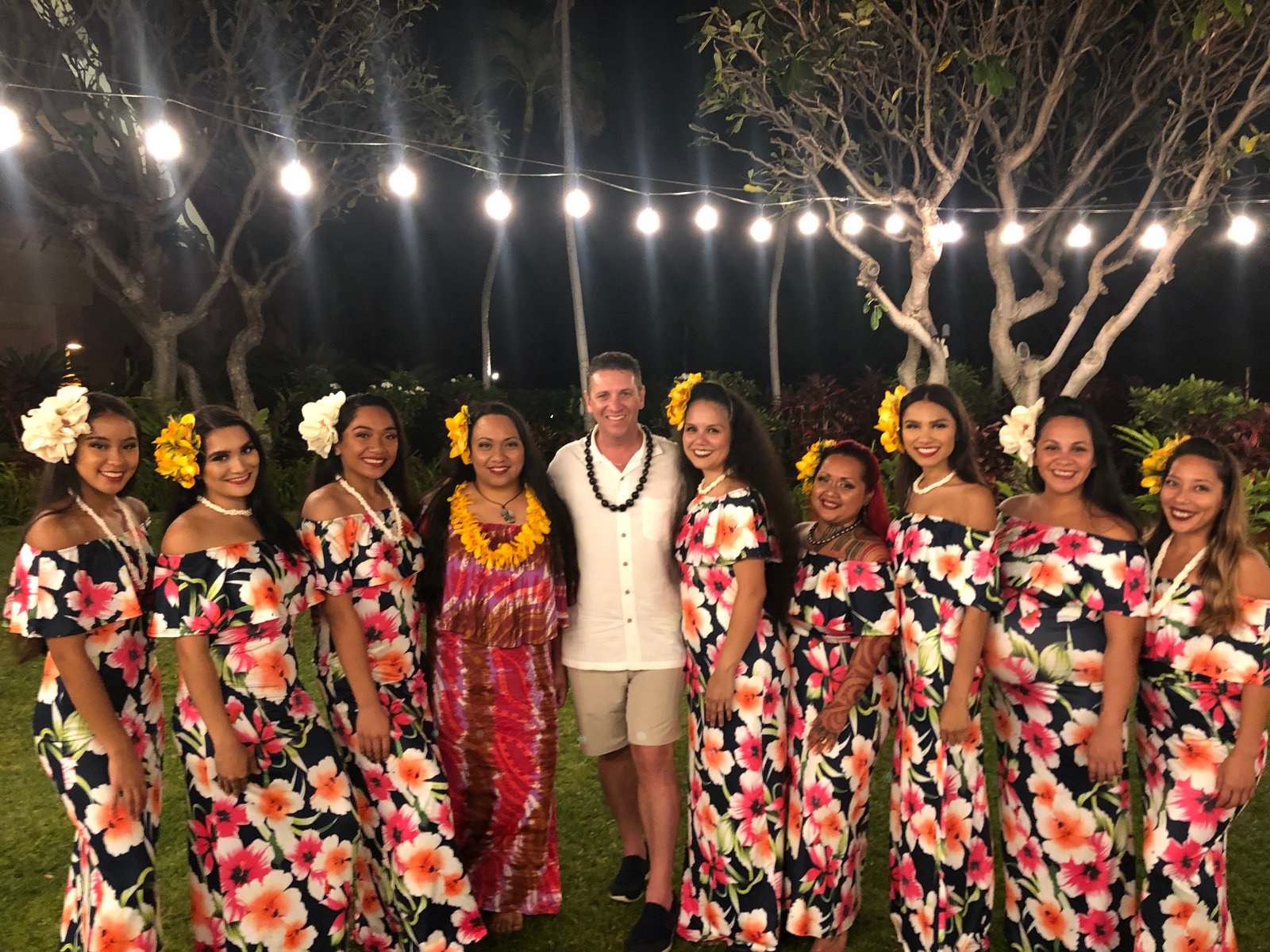
- Ask before photographing people, including performers off stage.
- Try the language. Mahalo is thank you; aloha carries far more than hello. Effort counts more than accuracy.
- Respect closures and fencing. They exist for safety, for cultural reasons, or both.
Small practical things
- It rains in patches. A wet morning in one town often means sun fifteen minutes down the coast.
- Bring a layer for evenings and anything at elevation — Haleakalā is cold, not cool.
- Book restaurants and luaus early. Several run weekly rather than nightly.
- Fill the tank before Hāna or Haleakalā. Services are thin.
- Check ocean signage every time. Conditions vary by beach and by day.

Huakaʻi Lūʻau performs weekly on Tuesdays. That is one show per week, not one per night — so a seven-night stay overlaps with exactly one or two performances. Check your dates against the calendar early rather than on the day.
More in things to do on Maui and planning a vacation on Maui.
Frequently asked questions
What sunscreen can you use in Hawaii?
Hawaii restricts the sale of sunscreens containing oxybenzone and octinoxate because of their effect on coral reefs. Bring or buy a mineral sunscreen based on zinc oxide. Rash guards and shade are also effective and put nothing in the water at all.
Can you touch sea turtles on Maui?
No. Green sea turtles, or honu, and Hawaiian monk seals are protected under state and federal law. Do not touch, chase, feed or crowd them, whether on the sand or in the water. Keep a wide distance and let them rest — enforcement is real and the penalties are significant.
Do you need to book things in advance on Maui?
Some things, yes. Waiʻānapanapa State Park, ʻĪao Valley State Monument and Haleakalā National Park for sunrise all require advance reservations for out-of-state visitors, and those systems change — book through the official state or National Park Service sites. Popular restaurants and luaus also fill early, and several luaus run weekly rather than nightly.
How far apart are the parts of Maui?
Farther than the map suggests. Kahului Airport to Kāʻanapali is typically 45 to 60 minutes, airport to Wailea 30 to 40, and West Maui to South Maui 45 to 60. Hāna is 2.5 to 4 hours one way depending on stops, and the Haleakalā summit is about two hours. Plan days by region rather than criss-crossing.
What day of the week is Huakaʻi Lūʻau?
Huakaʻi Lūʻau performs weekly on Tuesdays at the Luau Lawn at Hilton Grand Vacations Kāʻanapali Beach Club. Because it is a weekly rather than nightly show, a one-week stay on Maui usually overlaps with only one or two performance dates, so it is worth checking the calendar against your travel dates as early as possible.
Is a Maui luau worth it for families with kids?
Yes, for most families. Huakaʻi Lūʻau runs a dedicated kids' buffet alongside the main line, prices children 6 to 12 at 40 percent of the adult ticket, admits infants 0 to 5 free, and ends the main show by 7:30 PM so younger children are not out too late. The cast also stays for a meet-and-greet from 7:30 to 7:45 PM.
Questions Before You Travel?
Huakaʻi Lūʻau · The Luau Lawn at Hilton Grand Vacations Kāʻanapali Beach Club
104 Kāʻanapali Shores Place · Lāhainā, HI 96761
Performing weekly on Tuesdays
Park reservation systems, road conditions, seasonal closures and operator schedules on Maui change frequently. Everything here was accurate in August 2026, and it will date. Confirm current requirements with the Hawaii Division of State Parks, the National Park Service and the County of Maui before you travel. Ocean conditions vary daily — check posted warnings and lifeguard advice, and never rely on a written guide for a decision about entering the water.