
- Reserve first, plan second. Waiʻānapanapa, ʻĪao Valley and Haleakalā sunrise all require advance booking for out-of-state visitors.
- Mornings are for the ocean. Wind builds through the afternoon on most coasts, so snorkelling and swimming are best early.
- The Road to Hana is a full day, not a stop. Treat it as its own day or skip it.
- Whale season runs roughly December to May, peaking January to March. Outside that window, do not book a whale tour.
- West and South Maui are 45–60 minutes apart. Plan days by region rather than criss-crossing the island.
- Evenings: the whole west coast faces the sunset, and Huakaʻi Lūʻau runs Tuesdays in Kāʻanapali.
Quick Answer
The things most visitors put at the top of a Maui list are the Road to Hana, Haleakalā, snorkelling (Molokini and Black Rock), the beaches of Kāʻanapali and Wailea, whale watching between roughly December and May, and a luau. Three of those — Waiʻānapanapa State Park on the Hana road, ʻĪao Valley and Haleakalā for sunrise — now require advance reservations for out-of-state visitors, so book those before you build the rest of the itinerary.
Several Maui sites now require advance reservations for out-of-state visitors, including Waiʻānapanapa State Park, ʻĪao Valley State Monument and Haleakalā National Park for sunrise. These systems change — book through the official state or National Park Service sites, never a third-party reseller, and check the current rules before you drive out.
Plan by region, not by list
The single most common Maui planning mistake is treating the island as small. West Maui (Kāʻanapali, Lāhainā, Nāpili) and South Maui (Kīhei, Wailea) are typically 45–60 minutes apart, and the Hana road and Haleakalā are each a day in their own right. Group your days by region and you will spend far less of the trip in a rental car.
| Region | What it is good for | Budget |
|---|---|---|
| West Maui — Kāʻanapali, Lāhainā, Nāpili | Beaches, snorkelling at Black Rock, the beach walk, sunset, luaus | Half to full days |
| South Maui — Kīhei, Wailea, Mākena | Calmer beaches, Molokini departures, the Wailea coastal path | Half to full days |
| Upcountry & Haleakalā | Sunrise or sunset above the clouds, cooler air, farms | Half day (sunrise = pre-dawn start) |
| The Road to Hana | Waterfalls, black sand, rainforest, one of the great drives | A full day, minimum |
| Central — Wailuku, ʻĪao, Kahului | ʻĪao Valley, museums, the practical side of the island | Half day |
If you only have a few days
- Day one: stay local. Beach in the morning, town in the afternoon, sunset wherever you are. Jet lag plus a mountain road is a bad mix.
- Day two: the ocean. Snorkel early — Black Rock in Kāʻanapali or a Molokini boat out of South Maui.
- Day three: pick one big thing. Hana or Haleakalā, not both, and not either on your last day.
- Any evening: a luau. Check which nights it runs before you assume it fits — several Maui luaus are weekly rather than nightly.
The ocean
Go in the morning. Trade winds typically build through the day, so water clarity and comfort are usually best early. Beyond that: Molokini is the famous snorkel trip and departs from South Maui; Black Rock at the north end of Kāʻanapali is the best shore snorkel on the west side; and every beach here is public by law, though the parking rarely is. More in the Kāʻanapali Beach guide.
Green sea turtles (honu) and Hawaiian monk seals are protected. Do not touch, chase or crowd them — keep well back and let them be. Hawaii also restricts sunscreens containing oxybenzone and octinoxate; bring a mineral (zinc oxide) sunscreen.
Whale season
Humpbacks migrate to Hawaiian waters roughly December through May, with the peak generally January to March. In season you can often see them from shore on the west and south coasts, no boat required (see the whale watching guide for timing and where to look). Outside that window there is nothing to see, so do not book a whale tour in July.
Culture and evenings
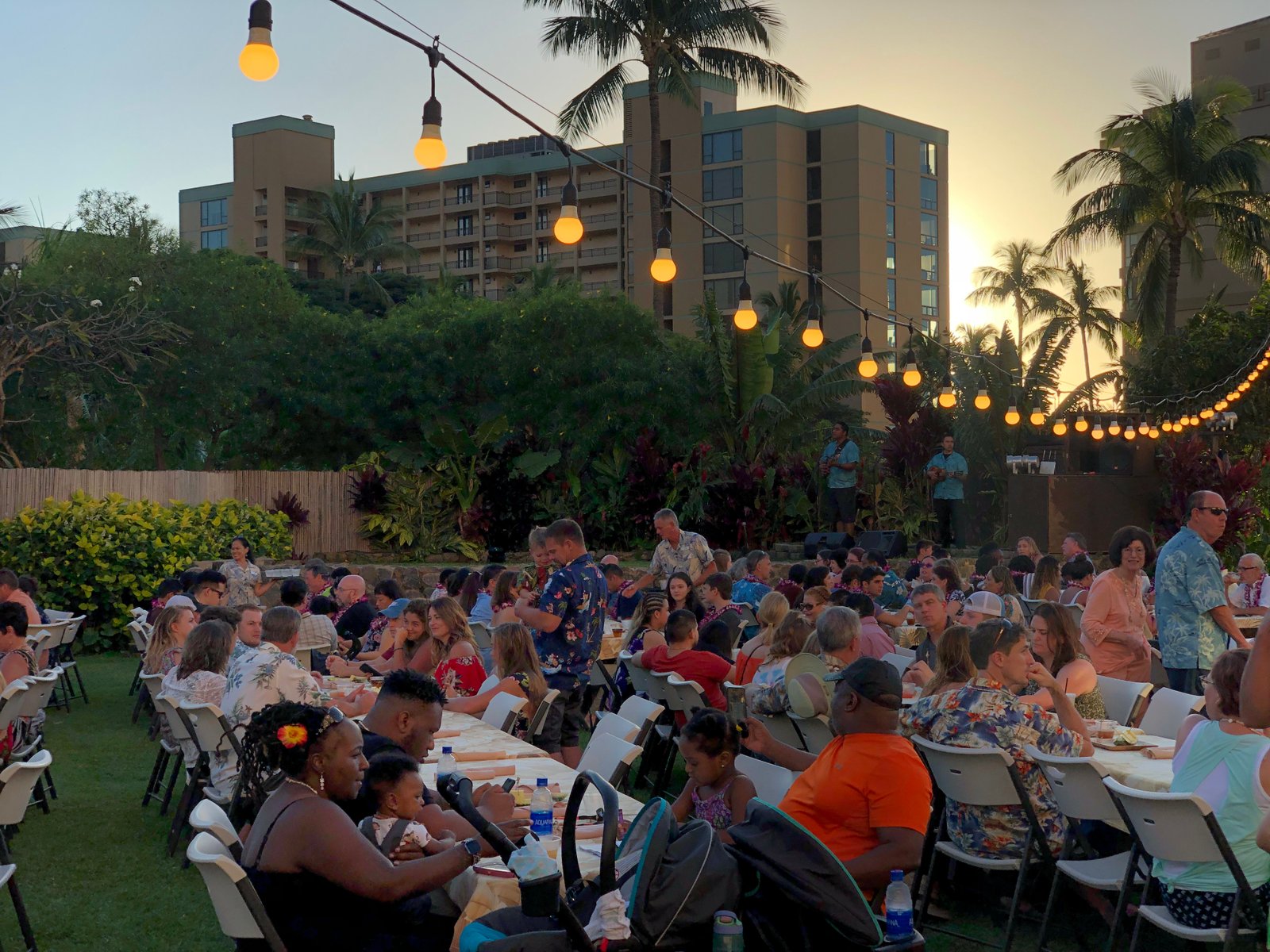
A lūʻau is the evening most visitors book, and they differ more than people expect — our choosing checklist covers what actually separates them. Huakaʻi Lūʻau performs weekly on Tuesdays on the Luau Lawn at Kāʻanapali Beach Club, with an open bar and free parking included.
| Ticket | Adult (13+) | Child (6–12) | Infant (0–5) |
|---|---|---|---|
| General Admission | $180 + tax | $72 + tax | Free |
| VIP | $210 + tax | $84 + tax | Free |
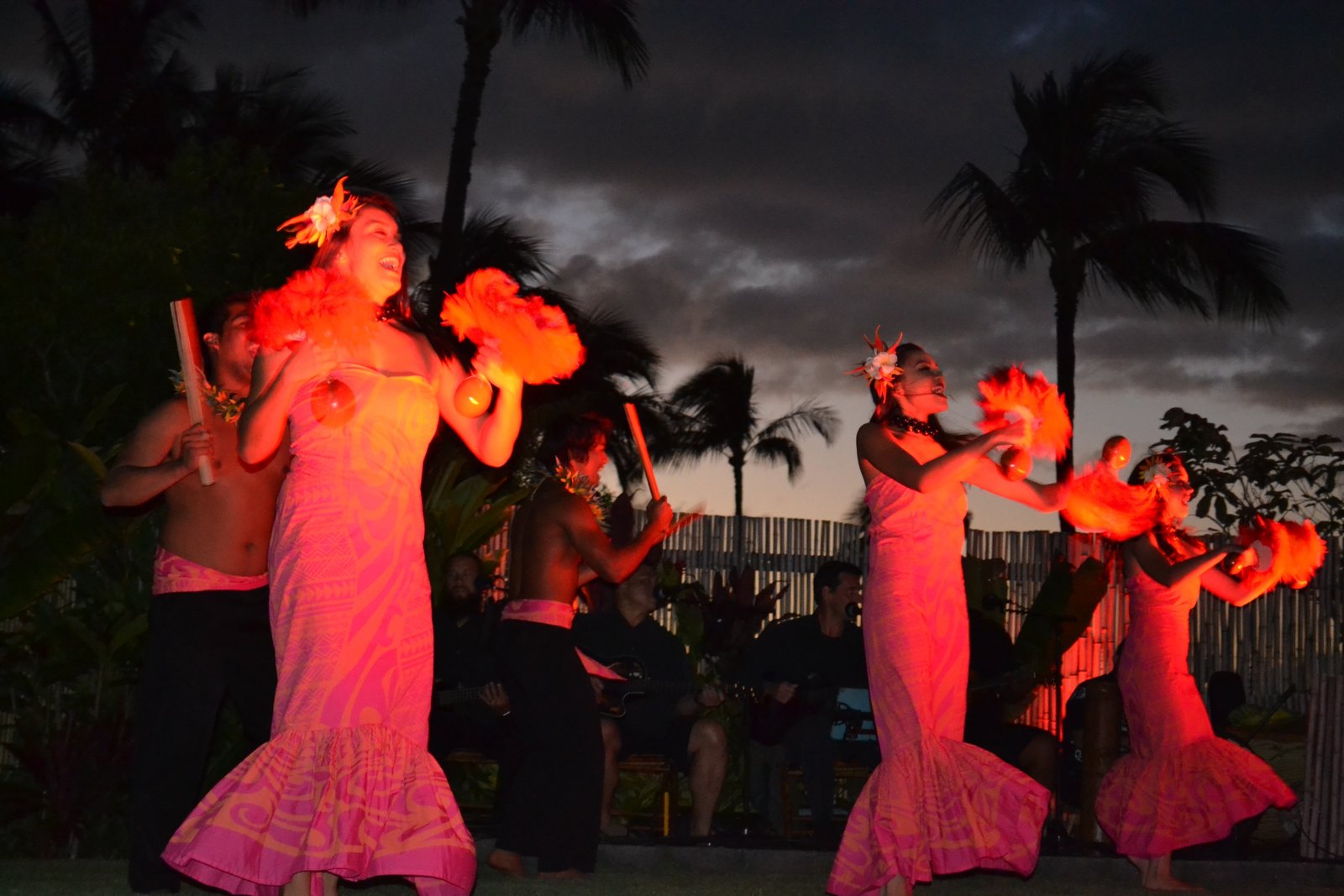
Huakaʻi Lūʻau performs weekly on Tuesdays. That is one show per week, not one per night — so a seven-night stay overlaps with exactly one or two performances. Check your dates against the calendar early rather than on the day.
Lāhainā town is also open to visitors again, with Front Street reopened to traffic in August 2026 — see our Lāhainā guide, which also covers how to visit a community still in recovery.
Related guides
For the wider trip see planning a vacation on Maui, and for the evening, choosing the best luau in Maui and tickets and pricing.
Day-by-day guides: the Road to Hana, ʻĪao Valley, which beach to pick, where to watch the sunset, whale watching, and Wailea.
Frequently asked questions
What are the best things to do on Maui?
The most popular are the Road to Hana, Haleakalā for sunrise or sunset, snorkelling at Molokini or Black Rock, the beaches of Kāʻanapali and Wailea, whale watching between roughly December and May, and attending a luau. Three of those — Waiʻānapanapa State Park, ʻĪao Valley and Haleakalā sunrise — require advance reservations for out-of-state visitors, so book them before planning around them.
How many days do you need on Maui?
Five to seven days is comfortable. That allows a beach day, an ocean day, one big excursion such as the Road to Hana or Haleakalā, an evening luau, and slack for weather. Three days is enough for one region plus one excursion, but the Hana road and Haleakalā are each a full day and should not be stacked.
Do you need a car on Maui?
For most visitors, yes. Public transport is limited and the distances between regions are real — West Maui to South Maui is typically 45 to 60 minutes. The exception is a stay inside a resort area such as Kāʻanapali, where the beach walk connects the hotels, shops and restaurants on foot.
What is the best time of year to visit Maui?
Maui is a year-round destination. Humpback whales are present roughly December through May with a January-to-March peak. Summer is drier and busier; the shoulder months of April to early June and September to early November tend to balance weather, crowds and price best.
What day of the week is Huakaʻi Lūʻau?
Huakaʻi Lūʻau performs weekly on Tuesdays at the Luau Lawn at Hilton Grand Vacations Kāʻanapali Beach Club. Because it is a weekly rather than nightly show, a one-week stay on Maui usually overlaps with only one or two performance dates, so it is worth checking the calendar against your travel dates as early as possible.
Is a Maui luau worth it for families with kids?
Yes, for most families. Huakaʻi Lūʻau runs a dedicated kids' buffet alongside the main line, prices children 6 to 12 at 40 percent of the adult ticket, admits infants 0 to 5 free, and ends the main show by 7:30 PM so younger children are not out too late. The cast also stays for a meet-and-greet from 7:30 to 7:45 PM.
Book Your Evening
Huakaʻi Lūʻau · The Luau Lawn at Hilton Grand Vacations Kāʻanapali Beach Club
104 Kāʻanapali Shores Place · Lāhainā, HI 96761
Performing weekly on Tuesdays
Park reservation systems, road conditions, seasonal closures and operator schedules on Maui change frequently. Everything here was accurate in August 2026, and it will date. Confirm current requirements with the Hawaii Division of State Parks, the National Park Service and the County of Maui before you travel. Ocean conditions vary daily — check posted warnings and lifeguard advice, and never rely on a written guide for a decision about entering the water.